Why You Should Hire an Electrician Before Starting Your Home Renovation: Safety First, Savings Always
05May
by admin
0
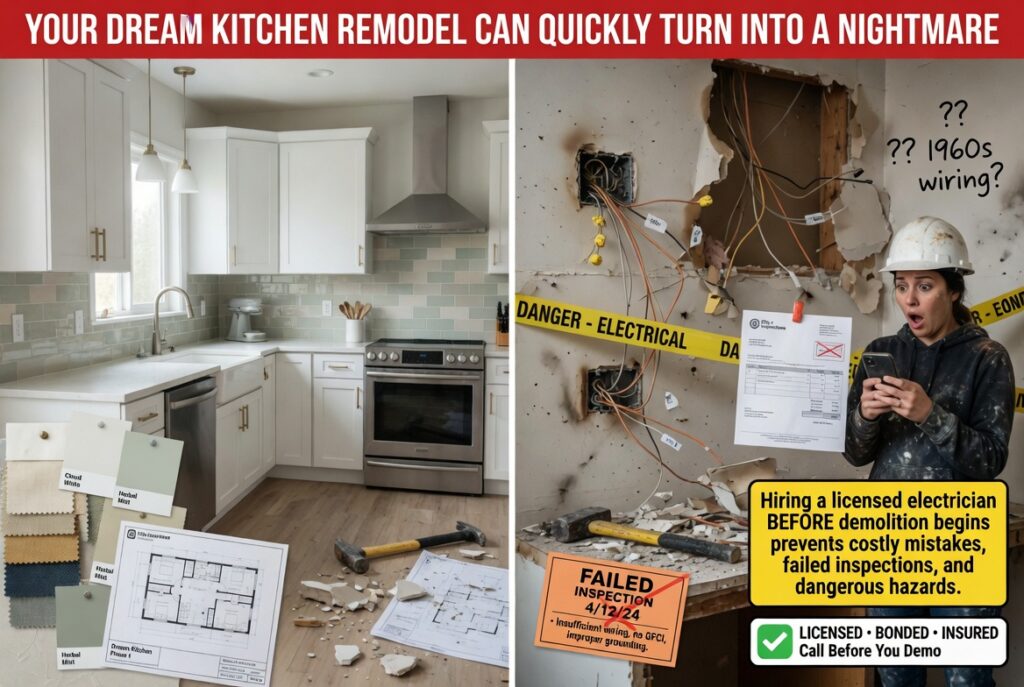
Picture this: You’ve finally pulled the trigger on that dream kitchen remodel. New appliances, recessed lighting, a bigger island with outlets galore. Then — boom — your electrical panel trips constantly, or worse, an inspector red-tags the whole project because the wiring doesn’t meet code. Suddenly your timeline explodes and your budget balloons by thousands.
This scenario plays out far too often. The fix? Bring a licensed electrician on board before demolition even begins. It’s one of the smartest moves you can make for both safety and long-term cost control.
The Real Risks: Why Electrical Work During Renovations Is Dangerous
According to the National Fire Protection Association (NFPA), electrical failures or malfunctions cause an average of 46,700 home fires per year in the U.S., resulting in roughly 390 deaths, 1,330 injuries, and $1.5 billion in property damage annually. Electrical distribution and lighting equipment alone account for nearly half of these fires.
Renovations amplify the danger because you’re often:
Adding new circuits and high-draw appliances
Moving or adding outlets and switches
Installing new lighting systems
Updating or expanding living spaces
Common (and costly) DIY or unqualified mistakes include:
Overloaded circuits
Undersized wiring
Poor connections and splices
Missing or improper grounding
Skipping GFCI/AFCI protection in kitchens, bathrooms, and outdoors
These errors don’t just fail inspections — they create fire and shock hazards that can remain hidden behind walls for years.
Safety Wins When You Hire Early
A licensed electrician does far more than “just wire stuff.” They:
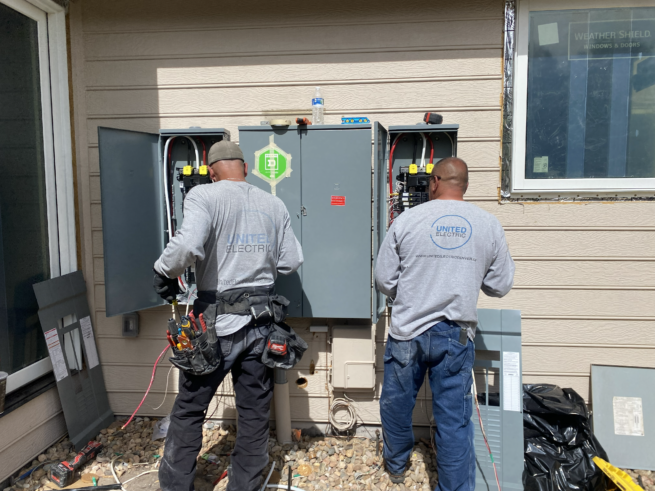
Perform a full electrical assessment of your existing system before any walls come down. They’ll spot outdated wiring (like aluminum or knob-and-tube), overloaded panels, or insufficient grounding that could become major problems later.
Ensure full code compliance (National Electrical Code + local amendments — critical in places like Denver, Colorado). This includes proper permits and passing inspections the first time.
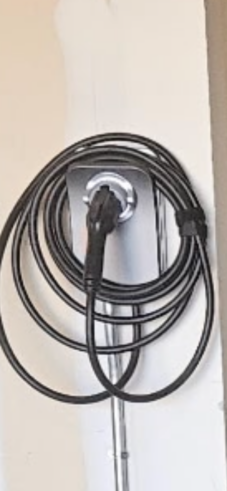
Design for real-world use — dedicated circuits for your new range, microwave, EV charger, or home office setup so nothing trips or overheats.
Install modern safety devices — AFCI breakers (arc-fault protection) and GFCIs where required, dramatically reducing fire and shock risk.
Getting this right upfront means your family sleeps soundly, your insurance company stays happy, and you avoid the nightmare of tearing open finished walls to fix hidden problems.
How an Electrician Saves You Serious Money
Many homeowners think skipping the electrician saves cash. The opposite is usually true.
Avoiding expensive rework Fixing electrical mistakes after drywall, tile, or cabinetry is installed can cost 3–5× more than doing it right the first time. One common horror story: homeowners who added new kitchen outlets only to discover the panel couldn’t handle the load — forcing a full service upgrade after the kitchen was finished.
Accurate budgeting from day one Electricians give you realistic cost estimates and help you prioritize. They can tell you whether your 100-amp panel needs upgrading to 200 amps (common when adding heat pumps, EV chargers, or major appliances) before you commit to other expensive finishes.
Long-term energy savings Early involvement opens the door to smart, efficient upgrades:
LED lighting throughout with smart controls
Dedicated circuits for energy-efficient appliances
Preparation for solar, battery storage, or heat pumps
Modern panel upgrades that qualify for federal tax credits (up to $600 under the 25C Energy Efficient Home Improvement Credit when supporting qualified equipment like heat pumps)
Homeowners who upgrade their electrical systems during renovations often see noticeable drops in utility bills and higher home resale value.
Faster project timeline No waiting for electricians to squeeze in last-minute work. No failed inspections that halt construction. Your general contractor and other trades can work around a properly planned electrical layout from the start.
Practical Ideas: How to Involve Your Electrician from the Very Beginning
Here’s exactly what to do:
Schedule a pre-renovation electrical consultation (usually $100–$300 — money very well spent).
Share your full renovation plans — floor plans, appliance list, lighting layout, and any future plans (EV charger? Home theater? ADU?).
Ask these key questions:
Does my current service and panel have enough capacity?
What code-required upgrades will I need (AFCI/GFCI, tamper-resistant outlets, etc.)?
Are there any energy-efficiency rebates or tax credits I should target?
Should I run extra conduit or wiring for future smart home features?
Have them create a detailed electrical plan that coordinates with your architect, designer, and general contractor.
Bottom Line: Don’t Renovate Without One
Hiring a licensed electrician early isn’t an optional add-on — it’s essential protection for your family, your investment, and your peace of mind. The upfront cost is almost always dwarfed by the safety risks avoided and the money saved on rework, delays, and higher long-term energy bills.
If you’re in the Denver metro area (or anywhere in Colorado), look for electricians who are licensed, insured, and experienced specifically with residential renovations. Many offer free or low-cost initial assessments.
Ready to renovate the smart way? Reach out to a local licensed electrician this week for a consultation. Your future self (and your wallet) will thank you.
Licensed • Insured • Same-Day Service
Serving Denver, Centennial, Aurora, Littleton, Parker, Highlands Ranch & Castle Rock
We use cookies to ensure that we give you the best experience on our website. If you continue to use this site we will assume that you are happy with it.